
When it comes to creating a robust financial strategy, two principles stand out: diversification and asset allocation. These concepts work hand-in-hand to help manage risk and support long-term goals.
What Is Diversification?
Diversification means spreading your investments across different types of assets, sectors, and regions. The aim is simple: avoid putting all your eggs in one basket. If one area of the market struggles, others may perform better, reducing the overall impact on your portfolio.
What Is Asset Allocation?
Asset allocation is the process of deciding how much of your portfolio to invest in different asset classes such as equities, bonds, property, and cash. It’s about finding the right balance between risk and return based on your:
Time horizon (how long you plan to invest)
Financial goals
Attitude to risk
For example:
A cautious investor might allocate more to bonds and cash.
A growth-focused investor might hold a higher proportion of equities.
Why Are These Principles Important?
Markets are unpredictable. Economic changes, political events, and global crises can all affect investment performance. Diversification and asset allocation aim to smooth out these ups and downs, giving you a more consistent experience over time.
Historic Performance and Perspective
History shows that different asset classes perform differently over time. For instance:
Equities have historically delivered higher long-term returns but with greater volatility.
Bonds typically offer more stability (not always the case 2022) but lower growth potential.
Cash typically provides lower than inflation returns
Physical Property (residential) provides inflation like returns
This is detailed in the chart below:
What These Strategies Are Not
They do not guarantee profits.
They do not eliminate risk entirely. Instead, they help reduce the impact of market fluctuations and keep you aligned with your long-term objectives.
The Long-Term Perspective
Diversification and asset allocation work best as part of a disciplined, long-term financial plan. They’re about resilience, not quick wins. By spreading risk and maintaining balance, you can navigate uncertainty with greater confidence.
How we help
At Four Pillars we help you make smart, stress-free financial decisions. We’ll build a plan that fits your lifestyle, protects your future, and helps you create your financial freedom.
Get in touch today…

A new way of uprating the state pension has been announced for 2030. Here's what it means if you're retired, retiring soon, or just trying to work out what "double lock" means.

HMRC has published the detailed rulebook for bringing pensions into inheritance tax from April 2027. Including a 50% "withholding" power for executors and payment deadlines that catch families off guard.

On 28 October, Chancellor John Healey delivers his first Budget under PM Andy Burnham and the speculation is already flying: pensions, capital gains, property taxes, you name it.
Here's the thing: last time pension cash was rumoured to be under threat, withdrawals jumped 63% in a year as people rushed to act "just in case." Some of that was sensible. A lot of it, in hindsight, wasn't because you can't undo taking money out of a pension.

For years, UK investors have sourced financial information from wherever it felt most accessible at the time.

There comes a point when you want more clarity, confidence, and structure around your money. And for many people, that means speaking to a financial planner for the first time. If you’re taking that step, the questions you ask in that first conversation can shape the partnership that follows. Here’s how to make the most of it…
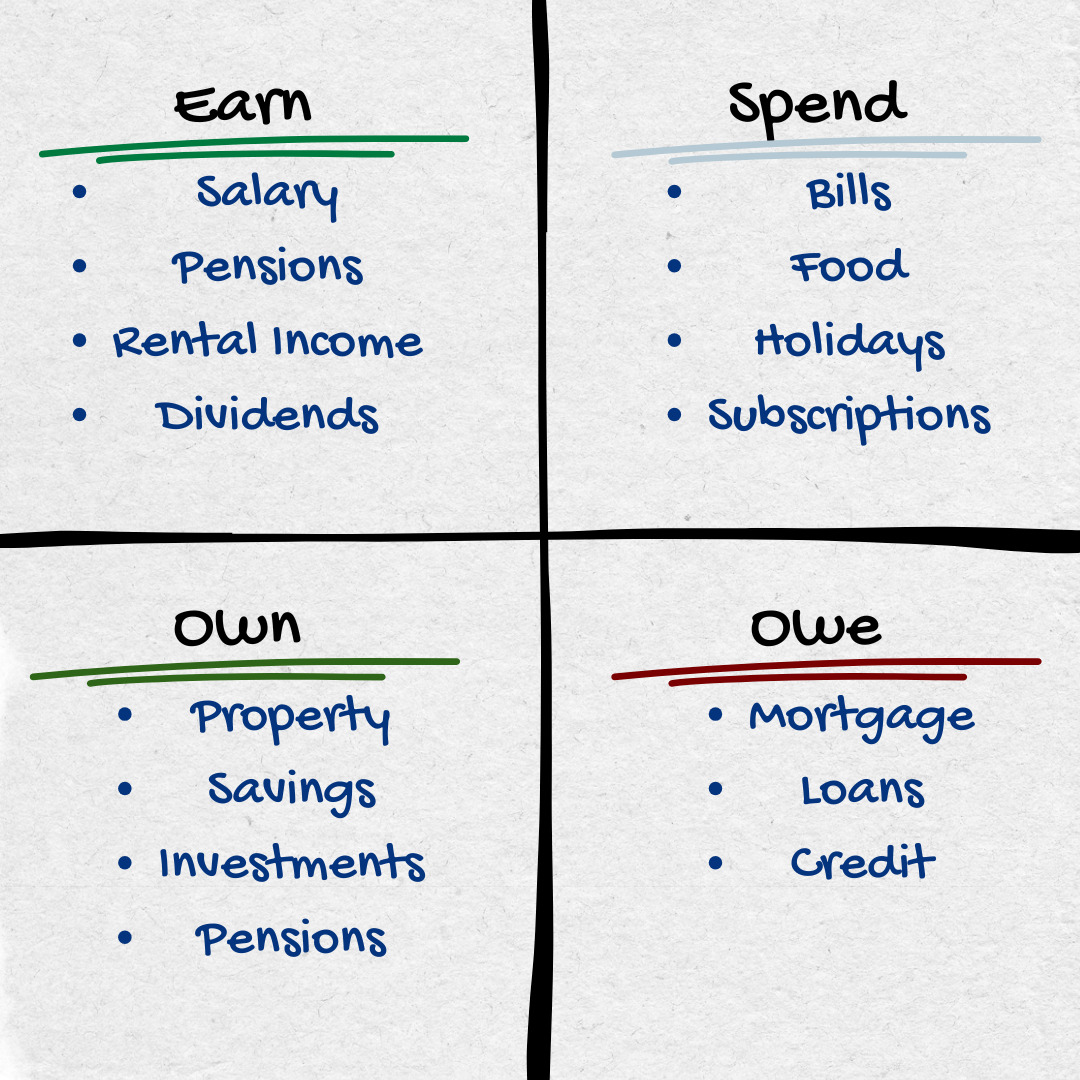
One of the most common questions we hear is:
“How much do I need for retirement?”
It’s tempting to look for a quick answer online, something like “You need £X to retire comfortably.” But here’s the truth: those numbers are averages, not your reality. They don’t know how you live, what you value, or what your future plans look like.

When it comes to creating a robust financial strategy, two principles stand out: diversification and asset allocation. These concepts work hand-in-hand to help manage risk and support long-term goals.

In the weeks leading up to the 2025 Budget Statement, the headlines were full of predictions. Would taxes rise? Would capital gains or pensions take a hit? Speculation was everywhere.

Here are five year-end actions you can take to give you peace of mind during the holidays and help you to start 2026 on the right foot.


If you’ve ever felt more like a policy number than a person you’re not alone.
Big financial firms are impressive. Glassy offices. Glossy brochures. A team of 72 handling "client experience". But beyond the branding and buzzwords, what you often get is process over people, volume over value, and advice that feels more generic than genuinely helpful.

Being a business owner is rewarding, but it doesn't come without challenges, especially when income isn't consistent. Is your income seasonal? Does it come in lump sums once jobs are complete? These are common realities for many entrepreneurs across many different industries.
This inconsistency can make it incredibly difficult to manage your finances. How much should you be reinvesting in the business? When do you pay yourself? How do you prepare for expenses like taxes, insurance or stock?

Many people dream of a life where they can finally relax and pursue their passions. But between the businesses of life and the ever-present fear of running out of money, achieving financial freedom can seem like it may be out of reach.

Anchoring bias can have a significant impact on our financial decisions. Find out how this can impact you!

You never stop being a parent, and even your adult children may need some advice about their finances as they face new hurdles and begin thinking about their long-term goals.
The much-anticipated Autumn Budget was finally delivered on the 30th October, in reality it wasn't quite the fireworks show the nation was expecting.
Chancellor Rachel Reeves faced the task: filling the "black hole" in public finances while keeping her party's ambitious manifesto pledges. The solution? A plan to raise £41 billion in taxes over the next five years.

You lay the foundations for adulthood during your teenage years, and learning how to manage your finances is a vital part of this.

You may assume that children don’t need to learn about money until they reach their teenage years and become more independent.
Important Information
The value of investments can go down as well as up, and you may get back less than you invest. Past performance is not a reliable indicator of future results. This article is for information purposes only and does not constitute financial advice. If you are unsure about the suitability of any investment for your circumstances, please seek advice from a qualified financial adviser.